

how to find the right trainer for you and your dog
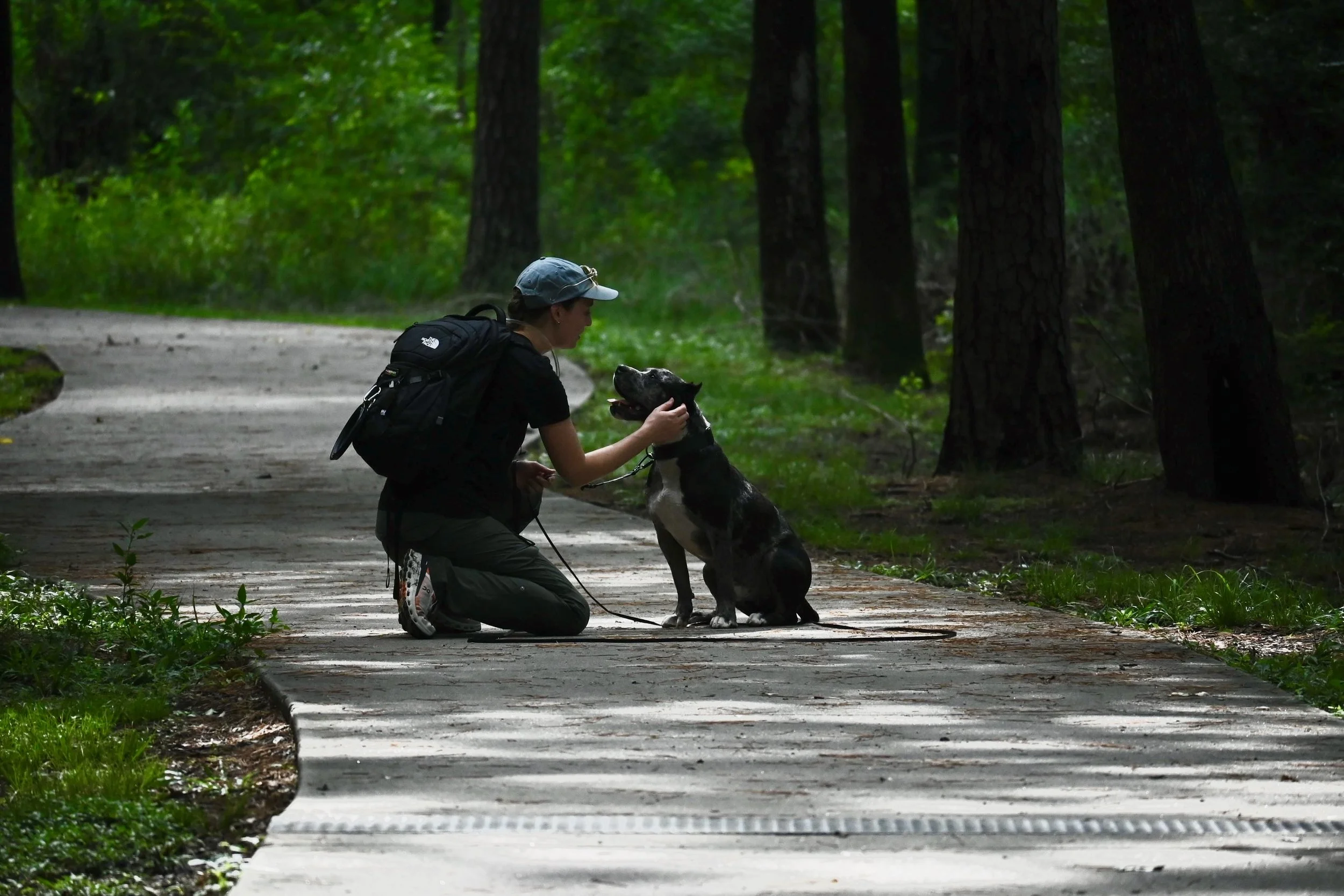
The online dog training world is incredibly difficult to navigate for anyone new to training or wanting to dive deeper than clickers and cheese. If you’ve ever tried to research trainers, you’ve very likely seen the extremes: some promise “purely positive, no punishment, no stress ever,” while others insist you simply need to be a more dominant pack leader. Both of these ideologies miss the heart of dog training in my opinion.
A good approach to training will emphasize building relationship and creating clarity between you and your dog. Below is a quick guide to what actually matters when you’re trying to find someone you can trust.
a trustworthy dog trainer
A trustworthy dog trainer:
prioritizes the relationship between dog and owner above all else
understands that relationship is much more than giving your dog treats for obedience
can explain in clear, easy to understand language why they train the way they do
assesses a dog thoroughly before recommending or implementing any training
sets clear criteria to guide you and your dog while training
understands that teaching your dog with clarity what behaviors are and aren’t desired in a particular setting is an indispensable precursor to giving corrections fairly
can reliably train your dog in both highly excited and calm states of emotion
takes your dog’s breed into consideration when making a training plan
A good trainer won’t guess or hide behind jargon. They should be able to walk you through your dog’s emotional state and arousal levels, why your dog does what they do, and what the plan is to change it. They should be able to use both rewards and corrections fairly, because both belong in a full toolbox. They should have a deep understanding of play as a structured communication system that builds their confidence and their trust in you. Play - whether with toys, treats, environmental reward, or simply you and the dog - can take you much, much farther than transactional training with treats for obedience ever could.
Above all, they should care about your relationship with your dog more than their own ego or training methods, no matter what their credentials.
trainer red flags
If you see these, run (or at least ask a lot more questions):
recommending seeking sedative or anti-anxiety medication from a vet, especially before beginning training
asserting they know what training your dog needs before meeting the dog, taking a history, and assessing the dog and environment thouroghly
claiming that one method of training works for all (or even most) dogs
claiming their training method is ‘evidence based’ or ‘science-based’. There are simply not enough high quality scientific studies to justify any training method as ‘science- or evidence- based’ for all dogs.
uses management strategies (such as avoiding reactivity triggers, tethering in the house, having the dog hold a command to control excited or anxious behaviors, etc) as permanent solutions rather than steps in the process of giving the dog more freedom
tells you to never let your dog get excited
tells you to never say no to your dog
tells you to never play with your dog, or that playing tug worsens aggressive behavior
If a trainer refuses to adapt to your dog’s emotional state, your lifestyle, or your breed’s needs, they will eventually hit a wall, and your dog will be the one to pay for it.
the bottom line
Finding a dog trainer shouldn’t feel like choosing a religion or political party. You’re hiring someone to teach you how to communicate and connect with the animal you love most. Look for someone who emphasizes clarity, play, emotional balance, and honest conversation about what your dog needs.
A good trainer leaves you confident and your dog with more motivation, personality, and spark than they started out with, not anxious, confused, or shut down.
